Rule Following, Games, and Logic in Wittgenstein (and Thomas Kuhn?)

A Reflection from a Class taken at Holy Apostles College and Seminary How does Wittgenstein’s account of rule-following connect to his criticism of Cartesianism? For Descartes, we begin with clear first principles which are known without reference to experience. Wittgenstein recognizes that we do not arrive at clarity about rules or first principles without a … Continue reading Rule Following, Games, and Logic in Wittgenstein (and Thomas Kuhn?)


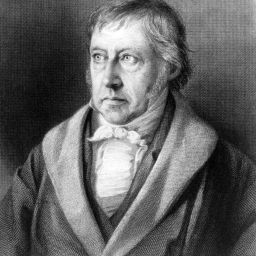
Hegel’s Rejection of Liberalism: A Comment from a Class at HACS

The liberal view of the state is that law is a necessary evil. There are several assumptions built into this belief. a. Freedom is wholly subjective b. Our happiness is to be individual and self-determined c. the state itself is perhaps a necessary evil Hegel rejects each of these assumptions. Freedom is the outworking of … Continue reading Hegel’s Rejection of Liberalism: A Comment from a Class at HACS

What is a Noun?

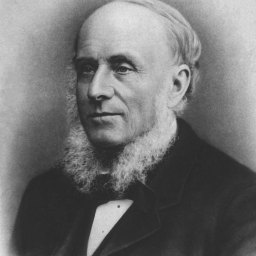
In his Companion to a Higher English Grammar, a most delightful and erudite read by the way, Alexander Bain considers whether to define a noun by its meaning or its office, that is, by what objects a noun names or by what function a noun plays in a sentence. He first does admirable work unfolding the … Continue reading What is a Noun?